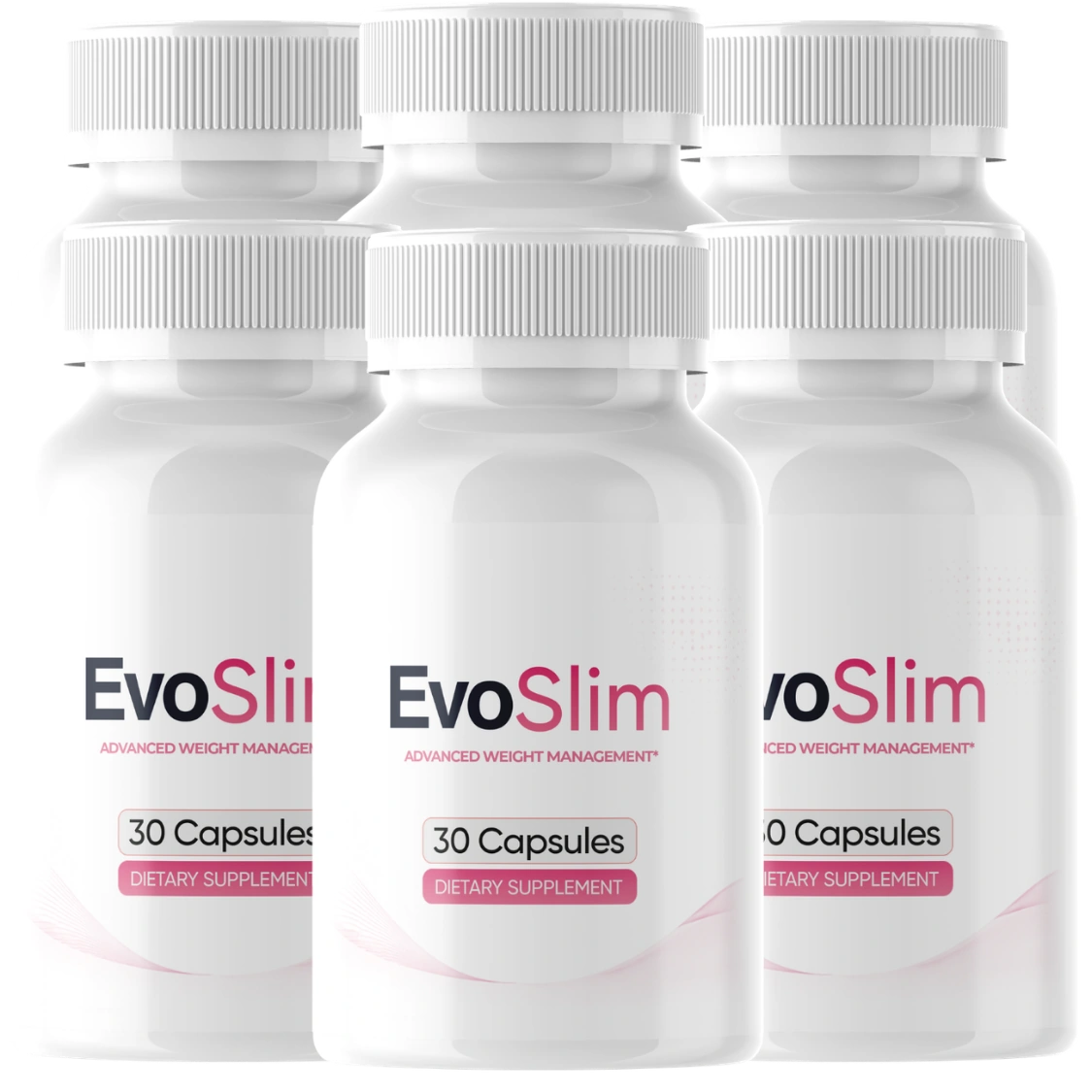
Evo Slim Official Website › Choosing A Formula
Choosing A FormulaChoosing A Weight Support Supplement: Nine Checks, Then Our Own Score
Nine checks, in order of how much they tell you, that work on any label on this shelf.
The first four are about the panel: amounts against every row, standardisation on the extracts, amounts near the researched ones, and a claim inside the rules. The next three are about the seller. The last two are about the offer and the evidence. Evo Slim is scored against all nine at the foot of this page, and it loses marks on four.
The checklist was written before the scoring, which is the only way a self-assessment is worth anything.
The nine checks, in order of usefulness
1. An amount against every row
No proprietary blend, no unlabelled row. Without this nothing can be compared with anything.
2. Standardisation on the extracts
An extract with no percentage could be almost anything. A percentage tells you how much of the named compound is actually there.
3. Amounts near the researched ones
The point of naming an ingredient is the research attached to it, and research belongs to a dose.
4. A claim that stays inside the rules
A supplement may make structure-and-function statements. A rate, a timeframe or a disease claim is outside them.
5. A named company with a real address
A contact form is not a company. An address is checkable and a form is not.
6. A batch number published in advance
A lot number lets a complaint be traced. Published after the parcel arrives it is information you could not have acted on.
7. A window that outlasts the wait
A thirty-day window on a product whose own feedback describes a six-week wait is a policy designed not to be used.
8. An honest smallest pack
The entry pack should be a fair test, not a penalty for caution.
9. Published evidence for the finished product
A trial of the actual capsule, not of its ingredients at other amounts.
Why they are in that order
Check one comes first because everything downstream depends on it. A proprietary blend does not merely hide the amounts; it removes the possibility of asking any further question about the formula, and every remaining check becomes guesswork.
Checks two, three and four are the panel's substance: what is in the extract, whether there is enough of it, and whether the front of the bottle is honest about what that means. The rules on what a supplement label may claim are narrow, and a label outside them has told you something about the company as well as about the product.
Checks five to seven are about whether anybody will answer the phone. Checks eight and nine are about the offer and the evidence, and nine is the one almost nothing on this shelf passes.
If you have two minutes: look for a blend name, look for a standardisation percentage, and look for a phone number. A label that clears those three is in the minority before you have read a single ingredient.
Evo Slim scored against all nine, in public
| Check | Score | The working |
|---|---|---|
| 1. An amount against every row | 9 / 10 | All twenty rows carry a figure and there is no blend anywhere on the label. The point lost is for the nine botanicals with no standardisation percentage. |
| 2. Standardisation on the extracts | 3 / 10 | Banaba is declared at 1% corosolic acid, which is honest and also reveals a quarter of a milligram. The other nine botanical extracts carry no percentage at all. |
| 3. Amounts near the researched ones | 4 / 10 | The seven vitamin and mineral rows are sensible nutritional amounts. Most botanical rows are a fraction of the trial amounts, and gymnema and white mulberry at 3 mg are token. |
| 4. A claim that stays inside the rules | 10 / 10 | The bottle prints one claim, and it is a structure-and-function statement. No rate, no timeframe, no before-and-after photograph anywhere on the offer. |
| 5. A named company with a real address | 9 / 10 | A trading name, an office address, a returns address, a phone desk and a named payment processor, all published before purchase. |
| 6. A batch number published in advance | 9 / 10 | Lot EVO-26/GO-1521 appears in the strip above every page here and on the base of the bottle, with a certificate reference beside it. |
| 7. A window that outlasts the wait | 8 / 10 | Sixty days from purchase, which comfortably outlasts the four-to-eight-week wait the published feedback describes. It would not outlast a twelve-week trial, and transit comes out of it rather than being added to it. |
| 8. An honest smallest pack | 5 / 10 | There is no single bottle. The smallest pack is two bottles at $158, and it is the only rung that pays postage, so caution costs the most per day. |
| 9. Published evidence for the finished product | 1 / 10 | None exists, and none is claimed. That is true of almost every product on this shelf and it is still a real mark against all of them. |
This desk sells the product. That is a fact a reader should weigh against this table, which is why the working is printed beside every score rather than the score alone.
Totalled, that is fifty-eight out of ninety. The shape matters more than the number: it scores highly on everything that can be checked and poorly on everything about dose fidelity and evidence.
That is a coherent product rather than a contradictory one. It is a broad, fully disclosed daily base with a botanical character, sold honestly, and it is not a stack of researched doses. Anyone buying the first thing will probably be satisfied; anyone buying the second should buy something else and this desk would rather say so.
What a ten out of ten on this shelf would look like
- Every row with an amount and a standardisation percentage, not just one.
- Five or six rows at or near their researched amounts instead of twenty rows below them.
- A published certificate of analysis for the current lot, rather than a reference to one.
- A single-bottle option at a fair price, so caution is not penalised.
- A trial of the finished formula, even a small one. Almost nothing in this category has one, and even the best-studied single ingredient was rated low quality by Cochrane.
- The panel on the seller's own front page, which would make a website like this one unnecessary.
Nothing on that list is unreasonable and very little of this shelf does any of it. Naming the ceiling is more useful than pretending the floor is the ceiling, and it is the standard this desk would want to be held to.
Two things this checklist deliberately leaves out
Price is not on the list. A cheap product with a blend name is worse value than an expensive one with a full panel, and price only becomes a useful question after the first four checks have been passed.
Reviews are not on the list either. Substantiation is the advertiser's job, and a star rating is not substantiation. A roster of eight buyers sharing three review bodies, which is what this product publishes, is a summary and it is printed as one on the reviews page.
Both are worth knowing. Neither tells you whether a label is serious, which is what a checklist is for. NCCIH's guidance on using supplements wisely makes the same separation from the reader's side.
Choosing a formula: common questions
What is the first thing to check on any label?
Whether there is an amount against every row. Everything else on this checklist depends on it, and a proprietary blend removes the possibility of an answer.
Does a high % Daily Value mean a strong dose?
No. A percentage compares an amount with a nutritional reference intake. Chromium at 191% is still below every amount used in the weight trials, and both figures are true.
Should I avoid products without a single-bottle option?
Not necessarily, but the window matters more when there is none. Sixty days from purchase covers a two-bottle run; a thirty-day window would not.
How do I know a seller is real?
A named company, a postal address, a phone number that answers and a lot number published before purchase. Four checks, none of which needs any expertise.
Is a guarantee evidence that a product works?
No. It is evidence about a returns rate. It is still worth having, because it removes the cost of being wrong.
Sources for this Evo Slim checklist
Five sources, each cited above.
- Structure/Function Claims. U.S. Food and Drug Administration, Dietary Supplement Labeling Guide. https://www.fda.gov/food/dietary-supplements-guidance-documents-regulatory-information/structurefunction-claims
- Health Products Compliance Guidance. Federal Trade Commission, December 2022. https://www.ftc.gov/business-guidance/resources/health-products-compliance-guidance
- Dietary Supplements for Weight Loss: Fact Sheet for Health Professionals. Office of Dietary Supplements, National Institutes of Health. https://ods.od.nih.gov/factsheets/WeightLoss-HealthProfessional/
- Using Dietary Supplements Wisely. National Center for Complementary and Integrative Health, National Institutes of Health. https://www.nccih.nih.gov/health/using-dietary-supplements-wisely
- Tian H, Guo X, Wang X, et al. Chromium picolinate supplementation for overweight or obese adults. Cochrane Database Syst Rev. 2013;2013(11):CD010063. PMID 24293292. https://pubmed.ncbi.nlm.nih.gov/24293292/
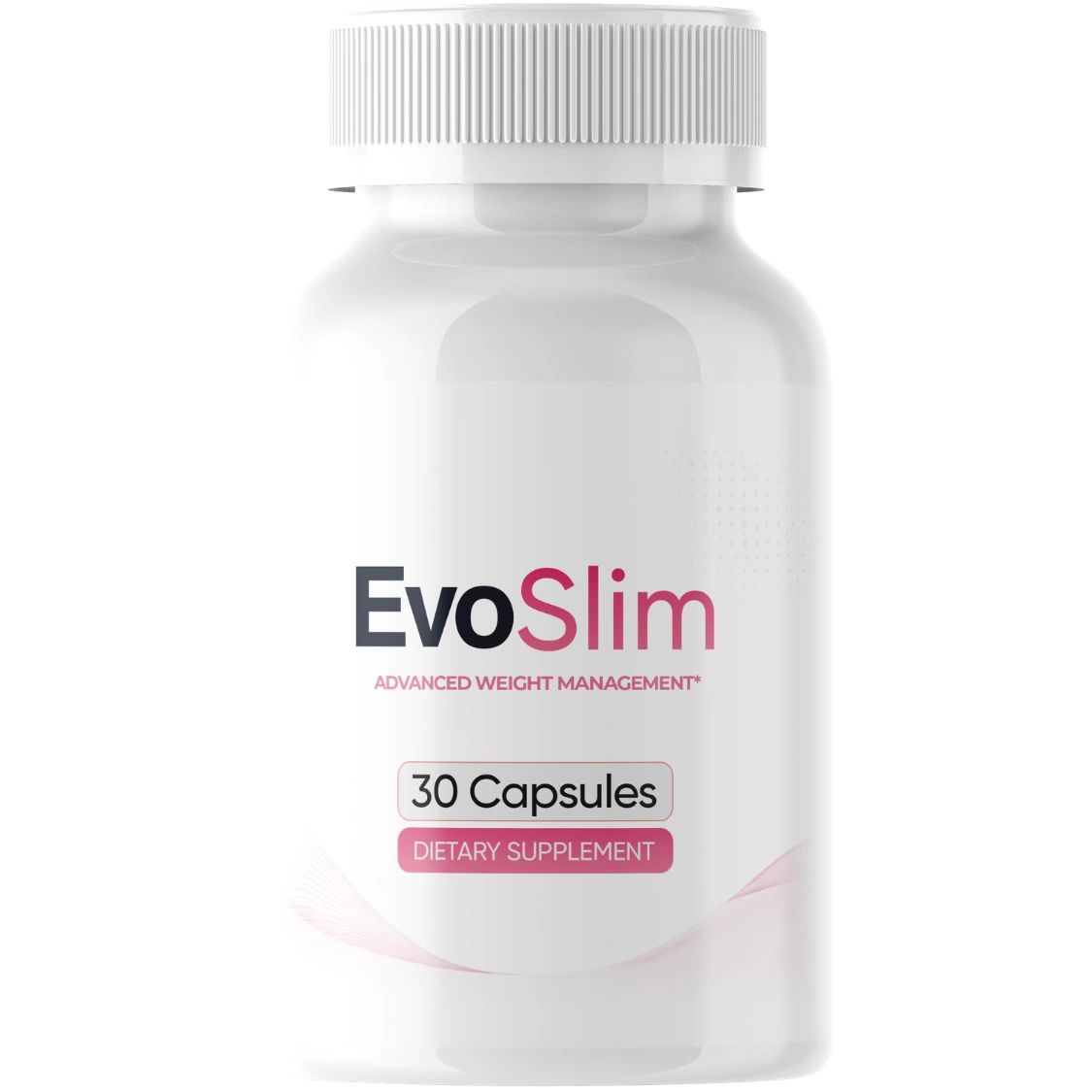
Order Evo Slim with the scorecard in front of you
Fifty-eight out of ninety, with the working printed beside every mark, and sixty days from the day you pay.
Two bottles $158 · six bottles $294 · 60 days from purchase
Order Evo Slim On The Official WebsiteOne capsule a day · 30 per bottle · lot EVO-26/GO-1521